Georgia – the small Caucasus country wedged between Russia, Turkey, Armenia, and Azerbaijan – is one of 2026’s most compelling travel destinations. Ancient cave monasteries, world-class wine regions, dramatic mountain valleys, and a vibrant capital that blends European café culture with Silk Road history: Georgia offers extraordinary depth for every type of traveler. This guide covers everything you need to plan your trip to Georgia in 2026.
Why Visit Georgia in 2026?
Georgia continues to surge in popularity among international travelers. Key reasons to visit in 2026 include:
- Exceptional value – Georgia offers European-quality experiences at prices significantly lower than Western Europe. A full meal with wine at a mid-range Tbilisi restaurant might cost $15-25 per person.
- Unique culture – Georgian culture is genuinely unlike anything else. The language (with its own ancient script), the polyphonic singing traditions, the elaborate feast (supra) culture, and the hospitality toward guests are all exceptional.
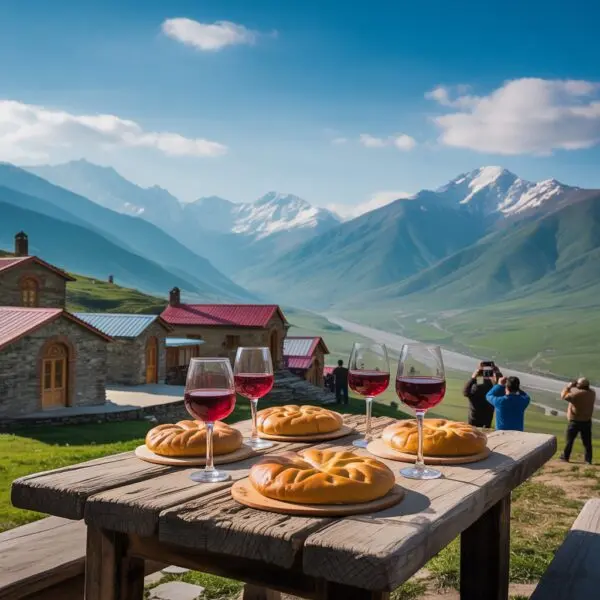
- World-class wine – Georgia is one of the world’s oldest wine regions (8,000+ years of winemaking history). Amber wines made in traditional clay qvevri pots are a unique experience unavailable elsewhere.
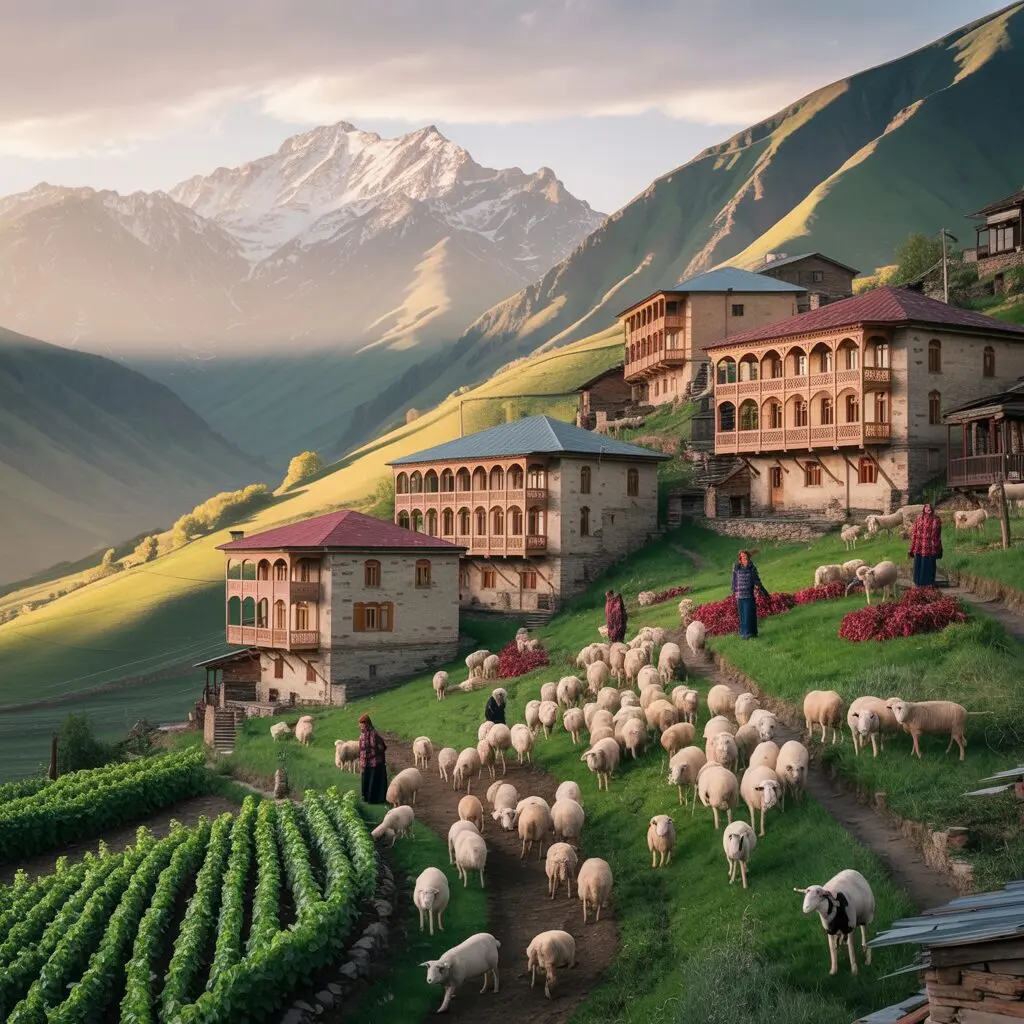
- Dramatic landscapes – From the ski resort of Gudauri and the Kazbegi mountains to the subtropical beaches of Batumi and the canyon of Okatse, Georgia’s geography is staggeringly diverse for such a small country.
- Open visa policy – As detailed in our visa-free guide, over 95 nationalities can visit Georgia without any visa for up to 365 days.
Best Time to Visit Georgia
Spring (April – June)
Arguably the best time. Temperatures are mild (15-25°C in Tbilisi), wildflowers cover the mountain slopes, and tourist crowds are smaller than summer. Perfect for hiking, wine tastings in Kakheti, and exploring Tbilisi’s Old Town.
Summer (July – August)
Peak tourist season. Tbilisi can get hot (30-38°C), but the mountains stay cool. Excellent for mountain trekking in Kazbegi and Svaneti, and beach time in Batumi. Book accommodation well in advance.
Autumn (September – November)
Another excellent window. September-October is harvest season in Kakheti wine country – the Rtveli grape harvest festival is a highlight. Tbilisi temperatures are pleasant. Mountain colors are spectacular in October.
Winter (December – March)
Ski season at Gudauri and Bakuriani resorts. Tbilisi is cold but rarely extreme. Christmas and New Year celebrations in Georgia are unique and festive. January and February are the quietest – and cheapest – months to visit.
Top Destinations in Georgia
Tbilisi
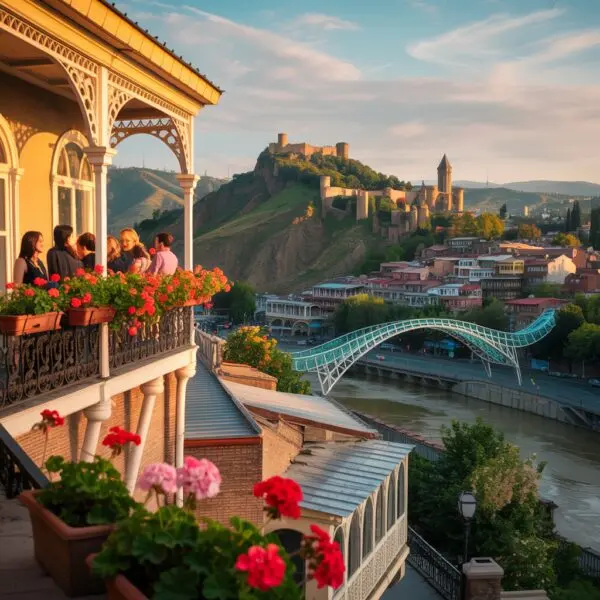
The capital deserves at least 3-4 days. Key areas: the cobblestoned Old Town (Altstadt), the Narikala fortress overlooking the Kura river, the sulfur baths in the Abanotubani district, the Rustaveli Avenue cultural corridor, and the hip Fabrika creative hub. See our Tbilisi travel guide for a detailed city breakdown.
Kazbegi (Stepantsminda)
The iconic image of Georgia – the medieval Gergeti Trinity Church perched at 2,170m above Kazbegi village, with the 5,047m Mount Kazbek looming behind it. A 2-3 hour drive from Tbilisi along the Georgian Military Highway, Kazbegi is essential. See our Kazbegi travel guide for trekking routes and practical information.
Kakheti Wine Region
Georgia’s primary wine region, east of Tbilisi. Telavi is the main city. The region is dotted with ancient monasteries (Alaverdi, Bodbe), royal palaces (Gremi), and family-run wine cellars offering tastings of amber qvevri wines. Pair a wine tour with the autumn harvest season for the full experience.
Batumi
Georgia’s Black Sea resort city has a split personality: a compact, UNESCO-recognized Batumi Old Town of Art Nouveau buildings and a modern seafront boulevard with flashy hotels and casinos. Summer beach season runs June-September. Easy to combine with a visit to the Adjara region’s lush green mountains.
Vardzia
A medieval cave monastery city carved into a cliff face in southern Georgia – one of the most remarkable archaeological sites in the entire Caucasus. Founded in the 12th century by Queen Tamar, Vardzia contained hundreds of cave rooms, churches, and frescoes still visible today.
Georgia Travel – Practical Information 2026
Getting There
Tbilisi International Airport (TBS) is the main entry point. Turkish Airlines (via Istanbul), flydubai, Wizz Air (to Kutaisi), and multiple European carriers operate routes. There are no direct flights from North America – connect through Europe or the Middle East.
Getting Around
Marshrutkas (shared minibuses) connect most towns and are the cheapest option. Taxis and ride-sharing apps (Bolt and local apps) work well in cities. Renting a car gives maximum flexibility for rural areas.
Currency
Georgian Lari (GEL). ATMs are widespread in Tbilisi and larger cities. Credit cards work in most city restaurants and hotels. Carry cash for rural areas and local markets. USD and EUR can be exchanged easily.
Language
Georgian (with a unique alphabet – Mkhedruli script). English is increasingly spoken in Tbilisi, tourist areas, and by younger Georgians. Russian is widely understood. Learning a few Georgian words is warmly appreciated by locals.
Visa and Entry
Citizens of 95+ countries enter visa-free for up to 365 days. Others can apply for the Georgia e-Visa online. All visitors must carry travel and health insurance – see our entry requirements guide.
Frequently Asked Questions
Is Georgia safe for tourists in 2026?
Georgia is generally considered safe for tourists. Tbilisi and major tourist areas have low rates of violent crime. Standard urban precautions apply (watch your belongings in crowded areas). Avoid the Abkhazia and South Ossetia regions, which are subject to international advisories. The FCDO, US State Department, and other Western governments rate the rest of Georgia as a standard travel destination requiring normal precautions.
What language is spoken in Georgia?
The official language is Georgian, which has its own unique ancient alphabet. English is spoken in tourist areas, Tbilisi restaurants and hotels, and by younger Georgians. Russian is widely understood, especially among older generations. Georgian phrases like “gamarjoba” (hello) and “madloba” (thank you) are always appreciated.
How much does a trip to Georgia cost per day?
Georgia is very affordable by European standards. Budget travelers can manage on $40-60 per day (hostel dorm, local meals, public transport). Mid-range travelers spending $80-150 per day get comfortable hotels, restaurant meals, and taxis. Tbilisi is somewhat pricier than rural areas. Alcohol (especially excellent Georgian wine and brandy) is very cheap.
Do I need to book accommodation in advance in Georgia?
For Tbilisi, Kazbegi, and Batumi in summer (July-August), advance booking is strongly recommended – popular guesthouses and hotels fill up. For spring and autumn travel, a week’s advance notice is usually sufficient for most destinations. Rural guesthouses can sometimes be arranged the day before.